What drives the cost of custom carbon fiber parts is a question every procurement and engineering team asks before committing to a program. Carbon fiber components are not priced like off-the-shelf metal stock; their cost is a stack of interdependent factors from tooling amortization to inspection level. At TechCarbonWorks we quote hundreds of carbon fiber programs a year for clients in aerospace, robotics, motorsport, and UAV, and the same levers appear in nearly every budget. This buyer’s guide breaks those levers down and gives practical cost-reduction tactics.
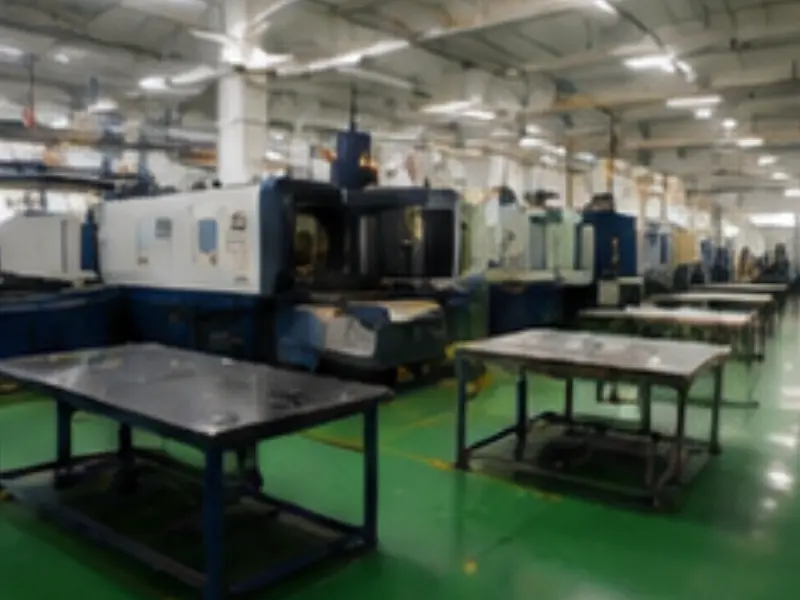
Production environment and process choice are two of the largest cost levers in any carbon fiber program.
Tooling amortization
Tooling is usually the largest single upfront cost and the first thing that determines per-part price. A CNC-machined aluminum or steel mold for prepreg or compression molding can cost thousands of dollars, and that cost must be spread across the production run. At ten parts, the tool dominates the price; at ten thousand parts, its share becomes tiny. Buyers should always ask how tooling is amortized in a quote: a separate non-recurring engineering charge recovered over volume, or bundled into unit price. Our carbon fiber mold making service scopes tool material to the expected run so you do not overpay for a mold rated far beyond your volume.
Material grade
Not all carbon fiber is equal, and grade drives both performance and price. Standard modulus aerospace prepreg costs less than intermediate or high modulus fiber, and specialty resins with high temperature or toughness add cost. Using a higher grade than the application needs quietly inflates the bill. A good supplier recommends the minimum grade that meets the load and environment, not the maximum available. The choice between prepreg and wet layup, discussed in our prepreg versus wet layup guide, also sets the material cost baseline.
Part size and complexity
Larger parts use more material and longer cure cycles, raising cost roughly with surface area and thickness. Complexity is the sharper lever: deep draws, varying wall thickness, embedded inserts, and tight tolerances all increase layup or molding difficulty and reject risk. Simple flat or gently curved panels are cheap; organic three-dimensional shapes with many features are not. Designing for manufacturability early, with input from a supplier, is the single highest-leverage way to control cost. Our carbon fiber prototyping services help validate such designs before tooling is committed.
Process choice
The manufacturing process is a primary cost driver. Wet layup has low tooling and equipment cost but high labor and inconsistency. Prepreg autoclave cure gives the best properties but costs more in energy, labor, and mold. Compression molding of forged or sheet compounds suits higher volumes with short cycles. Choosing the process to match volume and performance, rather than defaulting to the most capable method, protects margin. Our carbon fiber manufacturing services team matches process to program explicitly during quoting.
Volume breaks
Carbon fiber parts show steep volume curves. The first article may cost ten times the thousandth because tooling, setup, and process learning are fixed. Buyers should model total cost of ownership across the full program life, not just the prototype price, and negotiate volume pricing tiers. Where demand is uncertain, starting with a lower-capital process such as wet layup or a softer tool protects budget until volumes are proven, a path also described in how parts are made.
Finishing
Finishing can be a hidden cost center. A standard gloss clear coat is economical; painted automotive finishes, matte systems, and extensive filler work add labor and materials. Specifying a tighter cosmetic class than necessary forces extra surface correction. Aligning the finish to actual visibility, as explained in our surface finishes guide, avoids paying for show-car quality on a hidden bracket.
Inspection level
Inspection scales cost with risk. Visual checks are cheap; coordinate measuring machine verification adds time; non-destructive evaluation such as ultrasonic scanning for aerospace parts adds meaningful cost per unit. The right level depends on the consequence of failure. A cosmetic cover needs only visual inspection, while a primary structure warrants full NDE. Our aerospace carbon fiber parts manufacturer programs budget for the stricter end of this range, and that is appropriate there.
Cost reduction tips table
| Lever | Action | Typical Saving |
|---|---|---|
| Tooling | Size mold to real volume | 20–50% upfront |
| Material | Use minimum grade that meets spec | 10–30% material |
| Design | Simplify geometry, add draft | 15–40% labor |
| Process | Match process to volume | 20–60% unit |
| Finish | Specify only needed class | 10–25% finishing |
| Inspection | Tiered by consequence | 5–20% inspection |
| Volume | Commit to tier pricing | Scales with qty |
Bringing it together
Cost is the output of many small decisions made at design, quoting, and production time. The most expensive carbon fiber programs are those where grade, finish, and inspection were specified to a worst-case standard “just in case.” The most efficient are those where a supplier reviewed the drawing and trimmed every unnecessary margin. Whether your part is a UAV component, a robotics link, or a motorsport part, the levers are the same.
Where to learn more
Beyond this guide, the companion articles in this cluster explain the underlying trade spaces: carbon fiber versus aluminum for material strategy, prepreg vs wet layup for process, how parts are made for the workflow, surface finishes for finishing, and forged carbon fiber for molded alternatives. Our main WordPress site also carries case studies with real program economics.
Understanding cost drivers turns carbon fiber from a mystery line item into a controllable engineering variable. The buyers who save the most are the ones who engage suppliers early.
Hidden costs: scrap, logistics, and duties
The quoted unit price rarely tells the whole story. Scrap from a difficult process or fragile design quietly raises effective cost, because you pay for rejected parts too. Logistics matter for worldwide programs: carbon fiber parts are light but often bulky and fragile, so packaging and freight can surprise first-time buyers. Import duties and compliance documentation add line items that vary by destination. Our custom carbon fiber parts manufacturer team ships worldwide from Dongguan and factors these into realistic landed-cost estimates rather than factory-door prices alone.
Total cost of ownership example
Consider a bracket quoted at a high prototype price that drops sharply at volume because tooling amortizes and yield improves. A buyer who compares only the prototype quote to a machined aluminum part may walk away, missing that at the planned thousand-unit annual volume the carbon part is cheaper and lighter. Conversely, a part specified with show-car finish and full NDE when only visual inspection is needed carries silent overhead. Modeling total cost across the program life, not the first unit, is the discipline that prevents both errors.
Common buyer mistakes
The most frequent mistakes are over-specifying grade, finish, and inspection “just in case”; underestimating tooling in low-volume runs; and designing geometry that fights the chosen process. Another is soliciting bids without sharing volume intent, which forces suppliers to price worst-case. Sharing realistic volumes, performance needs, and the consequence of failure lets suppliers right-size every lever. Our carbon fiber manufacturing services quoting practice asks these questions up front precisely to avoid padding cost defensively.
Engaging suppliers early
The cheapest carbon fiber part is often the one whose design was reviewed by the molder before tooling was cut. Early engagement catches draft angles, wall thickness, and insert placement issues that otherwise become expensive change orders. It also lets the supplier propose process alternatives, such as forged carbon from our forged carbon fiber guide, that the buyer may not have considered. Treat the supplier as a design partner, not just a job shop, and cost falls while risk drops.
Building a cost-aware specification
A practical specification lists required grade, finish class, inspection level, volume, and tolerance separately, so each can be challenged on its own. When every requirement is explicit, both buyer and supplier can see which ones drive cost and which are merely habitual. This transparency is the foundation of fair pricing and is the throughline of every article in this cluster, from material selection to finishing.
Negotiating with confidence
Armed with the levers above, buyers can negotiate on substance rather than price alone. Ask suppliers to break the quote into tooling, material, process, finish, and inspection so you can see which lever to pull. Challenge any item that looks defensive rather than necessary, and offer volume commitment in exchange for lower unit price. A transparent quote from a supplier who explains each line, such as the itemized estimates from our carbon fiber manufacturing services, is worth more than a low number you cannot verify.
Ready to get a realistic budget for your carbon fiber parts? Email [email protected] with your drawings, volumes, and performance requirements and we will return a transparent, itemized quotation.
Tooling is usually the largest upfront cost because molds must be CNC-machined from metal or composite to survive heat and pressure. Its cost is amortized across the run, so it dominates low-volume pricing and shrinks per part as volume grows.
Carbon fiber shows steep volume curves. The first article may cost far more than later units because tooling, setup, and process learning are fixed costs. Committing to volume tiers and modeling total program cost reveals the true per-part economics.
Often yes, if the grade still meets load and environment. Using higher-modulus or specialty resin than needed quietly inflates cost. A good supplier recommends the minimum grade that satisfies the spec rather than the maximum available.
Yes. Painted or matte finishes and filler work add labor, while aerospace-grade non-destructive inspection adds per-unit cost. Specifying only the cosmetic class and inspection level the part truly needs avoids paying for unnecessary quality.