Carbon fiber surface finishes determine not only how a part looks but also how long it survives in the field. For B2B buyers, the finish is a specification, not an afterthought: it affects UV stability, abrasion resistance, brand presentation, and cost. At TechCarbonWorks we offer a full range from raw clear-coated woven twill to fully painted automotive-grade surfaces. This guide covers the main finish families, the defect classes buyers should specify, and how to choose the right one for your application.
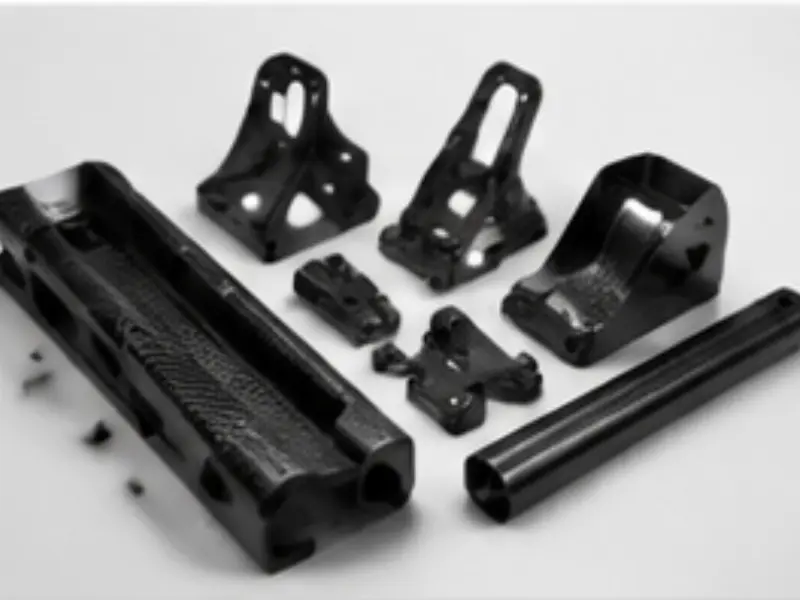
The visible weave under a clear coat is the signature look many brands want to project.
Clear-coated twill and plain weave
The most recognizable carbon fiber look is a clear-coated woven surface. Twill weave shows the classic diagonal pattern; plain weave shows a tighter checkerboard. After molding, the part is sanded, filled if needed, and sprayed with a UV-stable clear coat, often in two-pack urethane. This finish celebrates the material and is common for consumer electronics housings, drone shells, and motorsport trim. Our motorsport carbon fiber parts manufacturer work frequently uses this finish for visible aero components.
Matte finish
Matte carbon fiber uses a flattened clear coat or a textured mold surface to remove gloss. The result is a stealthy, modern appearance favored in high-end automotive and industrial design. Matte hides minor surface imperfections better than gloss because there is less specular reflection to reveal them, but it shows fingerprints and dust more readily and can be harder to clean. Matte clear coats must still contain UV inhibitors to prevent the underlying resin from yellowing.
Satin finish
Satin sits between gloss and matte, offering a soft sheen that reads as premium without high reflectivity. It is a popular compromise for robotics and medical equipment where a refined look matters but glare must be avoided in sensor-rich environments. Satin is usually achieved with a semi-gloss clear coat and moderate surface preparation.
Painted finishes
Full paint coverage hides the weave entirely and lets a part match a brand color or a surrounding metal body. Painting requires a proper primer and flexible topcoat system compatible with the composite substrate to avoid cracking under thermal movement. Painted carbon fiber is common in automotive body panels and aerospace interior parts where color consistency across materials is required. Our custom carbon fiber parts manufacturer service includes color-matched painting to client standards.
UV protection
Raw carbon fiber resin yellows and degrades under ultraviolet light if left unprotected. Every exterior finish applied by a professional shop includes UV absorbers in the clear coat or paint. For parts exposed to sunlight for years, a high-solid UV-stable coating is essential; skipping it is the fastest way to a part that looks tired within a season. This is especially important for UAV components flown outdoors.
Cosmetic defect classes
Buyers should agree on a defect classification with their supplier so quotes and acceptance are objective. A common scheme divides surfaces into classes. Class A is a show surface with no visible defects under direct inspection. Class B allows minor pinholes or orange peel only under close view. Class C covers hidden or structural surfaces where only structural integrity matters, not appearance. Specifying the class prevents both over-finishing that wastes money and under-finishing that disappoints.
Finish specification table
| Finish | Look | UV Stable | Abrasion | Best Use | Relative Cost |
|---|---|---|---|---|---|
| Clear gloss twill | Shiny weave | Yes (with coat) | Good | Consumer, motorsport | Medium |
| Clear plain weave | Tight weave | Yes | Good | Industrial panels | Medium |
| Matte | Non-reflective | Yes | Fair | Automotive, design | Medium-High |
| Satin | Soft sheen | Yes | Good | Robotics, medical | Medium |
| Painted | Solid color | Yes | Very good | Automotive, aerospace | High |
| Raw (uncoated) | Bare resin | No | Poor | Internal only | Low |
Choosing the right finish
Start with exposure. Outdoor and sunlight-exposed parts need UV-stable coating regardless of gloss level. Then consider function: sensor-rich robotics benefit from low-glare satin; brand-visible products benefit from gloss or painted finishes that reinforce identity. Finally consider budget, because painted and matte systems cost more in labor and materials than a standard gloss clear coat. The carbon fiber manufacturing services team can recommend a finish that meets both spec and margin.
Process interaction
Finish quality begins at molding, not at paint. As covered in our prepreg vs wet layup guide, prepreg yields a cleaner substrate that needs less correction, lowering finishing cost. Understanding how parts are made clarifies why surface prep follows cure and trim. For deeper background, our main WordPress site documents finishing standards we apply across programs.
A finish is a contract between you and the end user about durability and appearance. Specify it explicitly and you avoid surprises on delivery.
Texture, touch, and tactile branding
Beyond what a finish looks like, it changes how a product feels in the hand, which matters for consumer and medical devices. A gloss clear coat feels smooth and cool; a matte or textured finish can feel softer and hide fingerprints on handles and grips. Tactile quality reinforces brand perception as much as visual shine, so specify both the look and the feel when the part is handled. Our robotics carbon fiber parts manufacturer clients often choose satin for equipment operators touch repeatedly.
Color matching and brand identity
Painted finishes let a carbon fiber part carry exact brand colors, but color matching across batches requires controlled spray booths and approved master samples. Metallic flakes, pearls, and soft-touch topcoats are all possible, though each adds process steps. For programs shipping to multiple regions, keep a retained color standard so future orders match the first. Inconsistent color across a product family is a common, avoidable complaint that good finish specification prevents from the outset.
Repair and refinishing in the field
Clear-coated parts can usually be spot-repaired: sand, polish, or re-clear small scuffs without replacing the component. Painted finishes repair similarly but need blend work to hide the joint. Matte finishes are the hardest to repair invisibly because sanding changes gloss locally. Buyers should ask about field repairability when the part will see service wear, because designing for easy refinish reduces lifetime cost and downtime compared with full replacement.
Anti-graffiti and easy-clean coatings
For public-facing or industrial equipment, easy-clean and anti-graffiti topcoats keep carbon fiber looking presentable with minimal maintenance. These sacrificial or hydrophobic layers shed dirt and markers, reducing cleaning labor. They are a small added cost at finishing time that pays back where parts are exposed to handling, weather, or vandalism. Our custom carbon fiber parts manufacturer team can incorporate such coatings into the specified finish system.
Relevant standards and specifications
Finish requirements are often written against standards such as gloss measurement scales, adhesion cross-cut tests, and UV weathering cycles. Calling out a recognized standard in your drawing removes ambiguity about what “good” means and gives the supplier an objective target. This is especially relevant when multiple shops may quote the same part, because a vague finish note invites wildly different interpretations and prices. Clear standards protect both buyer and supplier.
Cost of finish versus perceived value
A premium finish can lift the perceived value of an entire product, so spending more on coating is sometimes justified by higher margin elsewhere. The key is matching spend to benefit: show surfaces earn gloss or paint, hidden surfaces earn only a basic sealer. Our cost driver guide explains how finish class sits among the levers that shape total part price, helping you invest where it counts.
Matching finish to environment
The operating environment should drive the finish choice more than fashion. Indoor equipment can use a basic clear coat; outdoor parts in direct sun need maximum UV protection regardless of gloss; parts handled constantly benefit from matte or easy-clean coatings; and parts adjacent to sensors should avoid glare with satin. Mapping environment to finish before tooling prevents costly rework and repainting later. Our UAV carbon fiber components manufacturer programs always specify UV-stable systems because field exposure is guaranteed.
Budgeting finish into the program
Finish cost is easiest to control when specified early, because the mold surface, material preparation, and coating system are chosen together. Adding a premium paint or matte system after parts are already molded usually means extra correction labor and higher scrap. Buyers who state the finish class in the original drawing let suppliers design the whole process around it, which is cheaper than upgrading finish on already-molded parts. This planning discipline is reinforced in our buyer’s cost guide.
Finish and long-term brand perception
The finish a customer sees at delivery sets expectations for the whole product line. A part that yellows, crazes, or loses gloss within a season undermines confidence in the brand even when the structure remains sound. Investing in a correct UV-stable system and the right gloss level protects reputation long after the invoice is paid. Treat finish as a brand asset, not a cosmetic afterthought, and the small added cost returns as retained customer trust and fewer warranty complaints.
Need help specifying the finish for your carbon fiber parts? Email [email protected] with your application and exposure conditions and we will recommend the right coating system.
Yes for outdoor use. Raw carbon fiber resin yellows and degrades under ultraviolet exposure. A professional clear coat or paint system with UV absorbers is required to keep the part looking good and structurally sound over years outside.
Matte has no specular gloss and a stealthy look but shows fingerprints and dust; satin has a soft sheen between matte and gloss, reducing glare while staying easier to keep clean. Both require UV-stable coatings.
A typical scheme ranks surfaces: Class A show surfaces allow no visible defects, Class B allow minor flaws only on close inspection, and Class C hidden or structural surfaces care only about integrity. Specifying the class makes quotes and acceptance objective.
Painted systems with proper primer and flexible topcoat generally offer the best abrasion and color consistency, and they hide the weave. They cost more in labor and materials but suit automotive and aerospace parts needing uniform color.