When a project moves from prototype to production, one of the first manufacturing questions is prepreg vs wet layup. Both produce carbon fiber reinforced polymer parts, but they differ profoundly in material preparation, cure method, achievable quality, and cost structure. At TechCarbonWorks we run both processes on the same factory floor, and the choice between them determines fiber volume fraction, void content, cosmetic finish, and ultimately whether a part meets its performance and budget targets. This article gives B2B buyers a clear framework for choosing.
What prepreg actually is
Prepreg is “pre-impregnated” carbon fiber where the resin and hardener are already mixed and partially cured, then applied to the fibers in a precisely controlled factory environment. The material arrives on a roll, refrigerated, with a defined tack and out-life. Because the resin content is metered at the supplier, the fiber volume fraction is consistent part to part. Prepreg is laid by hand or by automated tape laying onto a prepared mold, vacuum bagged, and cured under heat and pressure in an oven or autoclave. Our carbon fiber autoclave curing process is central to achieving aerospace-grade laminates.
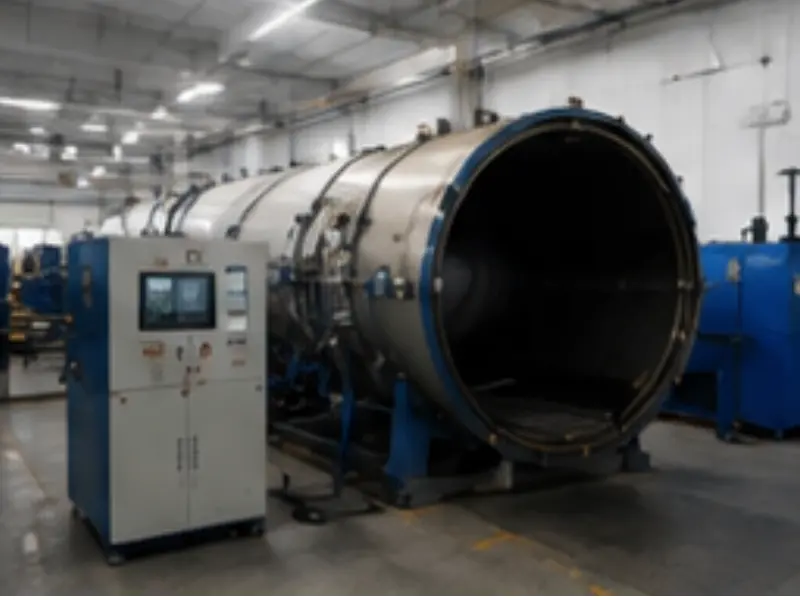
Autoclave consolidation is what gives prepreg laminates their low void content and high fiber volume.
What wet layup involves
Wet layup, sometimes called wet bagging or hand layup, is the older and simpler method. Dry fabric is placed into a mold and resin is applied by brush, roller, or infusion as the part is built. The resin-to-fiber ratio is controlled by the operator rather than the material supplier. Cure can happen at room temperature with ambient-cure epoxy or in a modest oven. Wet layup needs almost no capital equipment beyond the mold and basic vacuum gear, which is why it remains popular for large, low-volume, non-structural or cosmetic parts.
Fiber volume fraction
Fiber volume fraction (FVF) is the percentage of the laminate occupied by fibers, and it largely controls stiffness and strength. Prepreg laminates typically achieve 58 to 65 percent FVF because the supplier meters resin precisely and the autoclave pressure compacts the stack. Wet layup usually lands between 40 and 55 percent FVF because manual resin application leaves more variability and less compaction pressure. For structural parts where every gram of stiffness matters, the higher and more consistent FVF of prepreg is a decisive advantage.
Void content and its consequences
Voids are trapped air pockets that act as stress concentrators and reduce fatigue life. Prepreg processed under autoclave pressure commonly achieves void contents below one percent. Wet layup, especially without well-controlled resin infusion, can run two to eight percent voids or higher. High void content weakens the laminate, worsens cosmetic surfaces, and increases scatter in mechanical properties. For non-critical covers and enclosures this is acceptable; for load-bearing aerospace or motorsport parts it is not.
Cure method: autoclave, oven, and room temperature
Prepreg requires heat to complete cure and often pressure to consolidate. An autoclave applies both uniform pressure and temperature, yielding the best properties, but it is expensive to buy and operate. Many prepreg systems can also be oven-cured under vacuum bag pressure, trading some consolidation quality for lower cost. Wet layup with ambient-cure resin needs no heat at all, which keeps energy and tooling costs minimal but limits the resin systems and final properties available.
Tooling cost differences
Tooling is where the two processes diverge sharply for the buyer. Wet layup can use inexpensive molds made from fiberglass, wood, or even 3D-printed masters, because pressures and temperatures are low. Prepreg tooling must withstand heat and pressure and hold tight tolerances, so it is usually CNC-machined aluminum or steel, or high-temperature composite tooling. That raises upfront mold cost substantially. For low-volume programs, wet layup tooling can be a fraction of prepreg tooling cost, which is why our carbon fiber mold making service scopes the mold material to the chosen process.
Cosmetic quality
Surface finish is another differentiator. Prepreg with a good release surface and proper bagging produces a clean, glossy, void-free cosmetic face that needs minimal post-work. Wet layup surfaces are more prone to print-through of the weave, resin starvation or pooling, and pinholes. If the part is visible and brand-critical, as with consumer drone shells or exhibition pieces, prepreg usually delivers the look without heavy finishing. Our surface finish options guide covers how clear coat and gloss levels are applied after molding.
Decision matrix
| Criterion | Prepreg | Wet Layup |
|---|---|---|
| Fiber volume fraction | 58–65% | 40–55% |
| Void content | <1% typical | 2–8%+ |
| Cure method | Oven/autoclave heat + pressure | Room temp or low oven |
| Tooling cost | High (metal/composite) | Low (basic mold) |
| Part consistency | Excellent | Variable |
| Cosmetic quality | Excellent | Good to fair |
| Best volume | Medium to high | Low to medium |
| Structural rating | Aerospace-grade | Non-structural to semi-structural |
How to choose for your program
If the part is structural, must be consistent across a production run, or is cosmetically prominent, prepreg is usually worth the tooling investment. If the part is large, low-volume, primarily cosmetic, or budget-constrained, wet layup keeps costs down while still delivering a genuine carbon fiber look. Many programs start with wet layup for early prototypes and migrate to prepreg once the design is frozen and volumes justify the mold. Our carbon fiber prototyping services frequently begin this way.
Process and finishing interplay
The process choice also affects downstream steps. Prepreg parts typically need less filler and sanding before clear coat, reducing labor. Wet layup parts may need more surface correction, which erodes the apparent cost saving. When you evaluate bids, ask each supplier for the target fiber volume and void content, not just the price, because those numbers predict long-term field performance. You can read more about our capabilities on the carbon fiber manufacturing blog maintained on our main site.
Related reading
The choice of process ties directly into material strategy, so our comparison of carbon fiber versus aluminum parts and our cost driver guide are useful companions when budgeting a program.
Selecting prepreg or wet layup is not about which is “better” in the abstract but which fits your performance, volume, and budget envelope. The right process protects both part quality and margin.
Resin infusion and process variants
Between strict wet layup and autoclave prepreg sits a family of infusion processes. Vacuum-assisted resin transfer molding draws resin through dry fabric under vacuum, improving fiber volume and reducing voids versus hand wet layup while avoiding freezer-stored prepreg. Resin infusion is popular for large marine and industrial parts where autoclave size is limiting. It is slower and needs careful flow modeling, but it closes part of the quality gap at lower tooling cost than prepreg, making it a sensible middle option for medium-volume structural parts.
Lead time and capacity implications
Prepreg programs carry longer lead time because tooling must be machined and qualified before the first good part, and freezer material has a defined out-life that constrains scheduling. Wet layup can start almost immediately from a simple mold. If your program is time-critical and low-volume, wet layup or infusion gets parts in hand faster. If you need thousands of consistent parts, the prepreg setup time pays back across the run. Capacity also differs: autoclave hours are a shared bottleneck, so plan cure cycles early with your supplier.
Supplier qualification and traceability
For aerospace and medical programs, material traceability matters as much as the process itself. Prepreg arrives with batch certificates for fiber and resin, and the cure cycle is logged, giving a clean audit trail. Wet layup with manually measured resin is harder to document to the same standard unless the supplier operates a controlled resin-kit system. When qualification paperwork is required, prepreg’s inherent documentation advantage often decides the process regardless of price. Our carbon fiber manufacturing services include the records programs need.
Hybrid and staged approaches
Some programs blend processes: a prepreg structural core with wet-laid cosmetic skins, or a wet-layup prototype followed by prepreg production tooling. Staged approaches let you prove geometry cheaply, then invest in quality only after design freeze. This mirrors the prototyping path in our prototyping services and keeps early spend low while preserving a high-quality production route.
Environmental and safety factors
Wet layup exposes workers to more liquid resin and solvents, requiring ventilation and handling controls, whereas prepreg is cleaner to handle though it demands cold storage energy. Cure ovens and autoclaves consume significant power, affecting both cost and carbon footprint. Buyers with sustainability targets should ask suppliers about energy sources and solvent use, because the greener shop can offset some of prepreg’s higher process energy with tighter material yield and less scrap.
Avoiding the most common selection error
The frequent mistake is choosing prepreg for a part that is purely cosmetic and low-volume, then absorbing tooling cost that wet layup would have avoided, or choosing wet layup for a structural part and discovering voids during qualification. Match the process to the consequence of failure and the expected quantity, not to a preference for the newest method. When in doubt, prototype in the cheaper process and reserve prepreg investment for the frozen, higher-volume production run.
Need help picking the process for your next carbon fiber program? Email [email protected] with your part geometry and volumes and we will recommend the lowest-risk, lowest-cost route to production.
Prepreg consistently achieves 58 to 65 percent fiber volume because resin is metered by the supplier and compaction pressure is high. Wet layup typically reaches 40 to 55 percent with more part-to-part variability because the operator controls resin by hand.
It can approach prepreg for non-structural and cosmetic parts, but it rarely matches the sub-one-percent void content and consistency of autoclave-cured prepreg. Resin infusion improves wet layup quality but still trails prepreg on fiber volume and scatter.
Prepreg cures under heat and pressure, so molds must be CNC-machined metal or high-temperature composite to hold tolerance and survive the cycle. Wet layup uses low temperature and pressure, allowing cheap fiberglass, wood, or printed molds.
Yes, that is a common path. Wet layup is ideal for early, low-cost prototypes, then moving to prepreg once the design is frozen and volumes justify the higher mold investment delivers consistency and structural grade quality.